
Because he keeps scoring runs, is technically sound, and keeps getting picked for different teams, Sarfaraz Khan has become one of the most talked-about cricketers in Indian domestic cricket. Sarfaraz Khan was born into a family that loved cricket. His story shows how modern Indian cricket works, where talent, timing, fitness, and selection all come together. Fans, analysts, and selectors have talked a lot about Sarfaraz Khan’s career, from age-group cricket to domestic tournaments to international recognition.
Sarfaraz is a product of Mumbai’s competitive cricket system. He is part of a generation of players who have been shaped by tough domestic competition and performance-based evaluation. Unlike other people who became famous overnight, Sarfaraz Khan’s rise has been slow and steady, with many successful domestic seasons, public debate about selection policies, and rising expectations at the international level. To understand his journey, you need to look at both his cricketing background and the bigger picture of Indian cricket.
Sarfaraz Khan’s Early Life and Rise in Domestic Cricket
Sarfaraz learned about cricket at a young age, and structured training was the basis for his growth. Sarfaraz grew up in Mumbai, a city known for producing technically strong batters. He learned a lot from playing in club cricket, school tournaments, and age-group championships. He learned how to stay calm and adapt to different situations by playing in high-pressure matches when he was young. These skills later defined his performances at home.
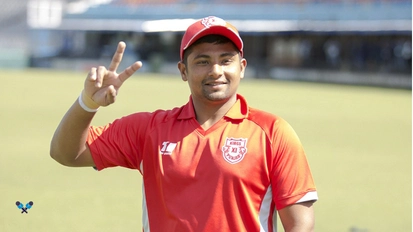
People first noticed Sarfaraz Khan when he played in youth tournaments. His batting style was a mix of patience and controlled aggression. His performances at the under-19 level showed that he could handle both pace and spin, especially on the different types of Indian surfaces. But unlike some of his peers who quickly moved up to international cricket, Sarfaraz Khan had to work hard to stay at the top of his game in domestic formats for a longer time.
Sarfaraz Khan proved himself to be a dependable middle-order batter who could play long innings in the Ranji Trophy. His domestic stats showed that he was one of the most consistent run-scorers over several seasons. His high averages showed that he was technically disciplined and didn’t rely on short-format scoring patterns. Sarfaraz Khan’s ability to turn starts into big scores became a defining trait, making him even more well-known as a red-ball expert.
Sarfaraz did well in domestic cricket for more than one season and team. He played for different state teams and quickly got used to new places. This showed that he could play well no matter what the conditions or who he was playing against. This ability to change made his case stronger as a batter who could play at higher levels. Analysts often talked about how well Sarfaraz Khan picked his shots, how well he balanced at the crease, and how well he played late, especially against spin bowling.
Even though he played well, Sarfaraz sometimes wasn’t sure if he would be picked for the national team. Talks about fitness, keeping the team balanced, and competition from established players often put off chances. Sarfaraz Khan, on the other hand, didn’t let these things affect his performance. Instead, he kept focusing on being consistent at home. This determination was very important in keeping him in the public eye among selectors and cricket fans.
Sarfaraz Khan’s journey through Indian domestic cricket shows how much modern Indian cricket values consistent performance. In the past, a few great performances could get you a long-term spot on a team. Now, you have to keep being great to stay on the team. Sarfaraz Khan’s rise through this system shows how strong he is and how committed he is to getting better.
Sarfaraz Khan’s international prospects, skills, and outlook for the future
Both chances and criticism have shaped Sarfaraz Khan’s rise to international cricket. When people talked about whether or not to pick Sarfaraz Khan, they often talked about the makeup of the team, fitness standards, and how to balance youth and experience. When chances came up, people had high hopes because of his record at home and the talk about him being included.
Sarfaraz Khan is known for his compact batting stance, good control of his bottom hand, and smart use of the crease. His style of play focuses on choosing the right shots instead of hitting them hard, which makes him a good fit for longer formats. Sarfaraz Khan’s footwork against spin lets him play both defense and offense, which is very important in subcontinental conditions. His ability to judge length early makes him less likely to get hit outside the off stump when the ball is moving fast.
People have also noticed how Sarfaraz Khan thinks. It seems that years of performing under pressure have made him more stable. Interviews and how the player acts on the field suggest that they are aware of being watched but are more focused on the process than on what other people are saying. This way of thinking is becoming more and more important on the world stage, where there is still a lot of competition for spots.
The Board of Control for Cricket in India and other governing bodies and selectors have a big say in the careers of players like Sarfaraz Khan. Selection policies that stress fitness, adaptability, and clear roles affect when and how players are brought into the national team. Sarfaraz Khan’s journey shows how the selection process is changing, where performance must match strategic planning.
Sarfaraz Khan’s rise has brought up new questions about the importance of domestic cricket. His case bolsters the assertion that consistent performances in the Ranji Trophy constitute a legitimate route to international cricket. This story shows how important India’s domestic structure is for finding and developing talent.
Sarfaraz Khan’s future depends on being consistent, flexible, and having chances. As international schedules get busier, squad rotation and workload management might open up more opportunities. Sarfaraz Khan’s long-term success may depend on how well he can switch between different roles, like being a middle-order anchor or a flexible batter.
For fans who want to know more about the bigger picture, our related coverage of Indian domestic cricket pathways gives more information about how players like Sarfaraz Khan get around the system. When compared to international middle-order batters, it becomes clear what technical skills are needed for long-term success on the world stage.
Readers can find official statistics and match records for Sarfaraz Khan at https://www.espncricinfo.com.
Sarfaraz Khan’s story shows how modern cricket really is: you need to be patient, adaptable, and keep performing well. As Indian cricket changes, Sarfaraz Khan is still a good example of how to keep going in a very competitive field.
Sarfaraz Khan’s cricket career shows how important it is to be consistent, strong technically, and tough in modern Indian cricket. Sarfaraz Khan has had to deal with a lot of pressure and competition to get to where he is now, from early promise to being the best in his country and wanting to be the best in the world. His career is a testament to the lasting value of domestic cricket as a way to build a successful national team.
Follow the latest News Updates only on Pulse Daily!